
Should You Buy or Build a Custom Home in North Vancouver
If you’re looking for your dream home in North Vancouver, you’ve likely thought about whether it makes more sense to buy or build a custom home.
Buying an existing custom home means moving in faster and avoiding the construction process entirely. Building one from the ground up means getting exactly what you want, designed specifically for how you and your family live.
Neither option is “better” than the other; the right call depends on your priorities, timeline and budget.
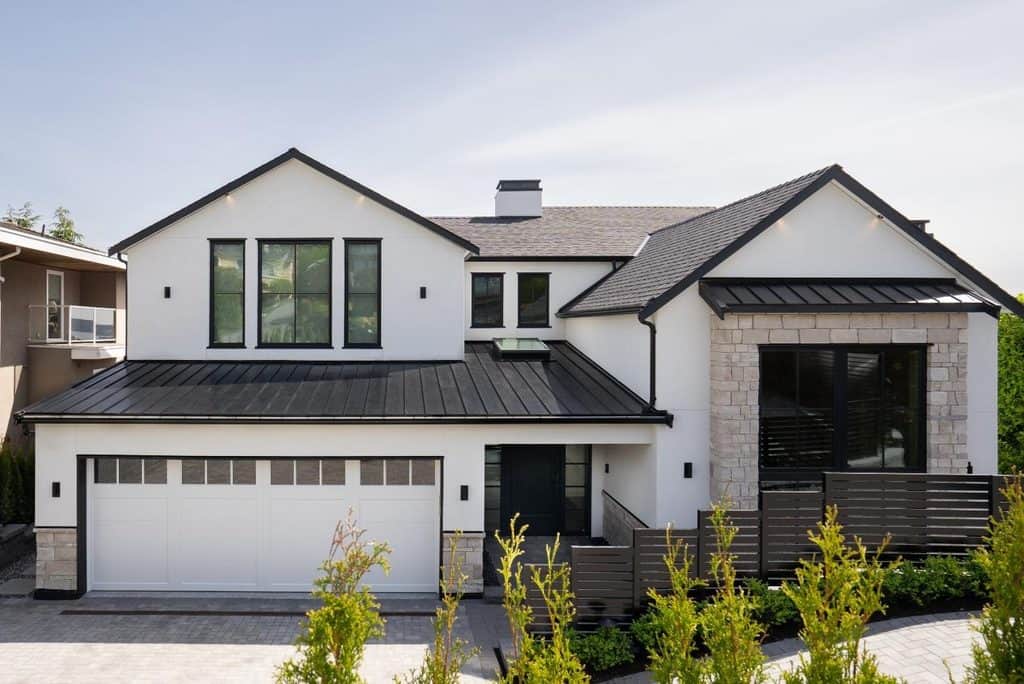
This article looks at both options. It covers the costs, timelines and processes involved in buying vs building a custom home in North Vancouver, along with a few common mistakes to avoid.
Building a Custom Home in North Vancouver: Costs, Timeline and Home Building Process
Building a custom home gives you complete control over the design, layout, paint colour and finishes. You create a home that looks and works exactly how you need it to, instead of compromising on someone else’s vision.
That said, navigating the home building process takes proper planning, active involvement and plenty of patience throughout. Here’s what you can expect:
Costs
Building costs in North Vancouver vary based on the scope of the project, site conditions and design trends and finishes used. Simpler custom houses can start at around $450 per square foot, while higher-end, more energy-efficient custom-built homes range anywhere from $800-$1,000+ per square foot.
Here’s a rough cost breakdown (excluding the purchase of land):
- Basic custom build (simple sites): $450-$600+ per square foot
- Mid-range custom build: $650-$750+ per square foot
- High-end, luxury, energy-efficient build: $800+ square foot
- Property taxes (e.g. Goods and Services Tax (GST)): 5% GST payable on newly constructed homes
- Architect fees: Roughly 8-20% of the total construction cost
- Building permits: Typically, 1-2% of the total project budget
- Arborist report fees (if site is near protected trees): $500-$1,500
- Geotechnical reports (for new builds): $2,000-$5,000
- Landscaping: Around $25-$50 per hour (per person)
- Contingency (emergency fund): 10-15% of the total project budget
Looking at the above estimates, the cost to build a mid-range, 2,000 square foot custom home is roughly as follows:
| Cost type | Price range |
| Construction fees | $1.3-$1.5 million |
| GST property tax | $65,000-$75,000 |
| Architect fees | $104,000-$300,000 |
| Permits and reports | $15,500-$36,500 |
That’s roughly $1.46-$1.9 million, excluding land purchase, landscaping and contingency.
Keep in mind that North Vancouver has specific site challenges that can increase costs. Things such as steep slopes and rock blasting requirements can all influence the final price tag.
Timeline
The typical timeline for a standard 3-bedroom custom build in North Vancouver (~2,500-3,000 square feet) is around 14-20 months from start to finish, and looks a little like this:
Pre-construction phase: 3-6 months
- Securing financing
- Purchasing the lot
- Working with custom home builders, architects and designers
- Application of Topographic Site Survey
- Obtaining permits and approvals from the District or City
- Informing neighbours of the proposed build
Site preparation & foundation phase: 1-2 months
- Clearing and levelling the lot
- Demolition, excavation, rock blasting and foundation work
- Building inspections
Forming & framing phase: 3-4 months
- Pouring footings and walls
- Basic window, door and roof building
- Application of the survey form certificate
- Concrete pouring and waterproofing
Drainage & site services phase: 1-2 months
- Drainage installation/s
- Backfill
- Basement building
- Wall framing
- Obtain a field review memo from the surveyor
Final finishes phase: 6-8 months
- Plumbing, electrical and HVAC installation
- Drywalling, insulation and cladding
- Kitchen and bathroom fitout
- Flooring, painting, cabinetry and trim work
- Final fixtures and details
- Landscaping
- Final inspection/s
This timeframe assumes no major weather, material, or permit processing delays.
Process
Here’s a quick breakdown of the custom home building process:
- Secure financing: Get pre-approved for a construction mortgage or line of credit, based on your income and estimated project cost.
- Purchase the lot: Work with a realtor to find land that fits your budget and vision. Consider zoning, lot orientation, setbacks and site complexity (steep slopes, rocky terrain, environmental restrictions) when evaluating properties.
- Hire professionals: Consult with custom home builders, architects and interior designers to completely customize your dream home. Pick professionals with a proven track record of quality construction, superior craftsmanship and exceptional service.
- Designer consultation: Work with your home builder and architect to create floor plans that fit the lot, meet municipal requirements and align with your lifestyle and vision.
- Obtain permits: Custom home builders will submit plans to the City or District of North Vancouver for approval on your behalf. This process can take a few weeks or up to several months, depending on the complexity of the project. It’s been noted that the City of Vancouver is slower than other municipalities.
- Construction begins: Your builder generally starts the project at this stage, managing project managers, surveyors, inspectors, tradesmen and daily site supervision.
- Regular site visits: The best way to form lasting relationships with your custom builder is to stay involved throughout the project. Open communication is key to staying informed and addressing any questions as they come up.
- Hand over and move in: After around 14-20 months, your new home is complete. Before taking possession, do a final walk-through with your builder to ensure it meets your expectations and is of exceptional quality.
Pros and cons of building a custom home
Upside
- Complete control over design, layout and finishes
- Built to your exact specs and family needs
- No compromise on layout or features
- Aligns with energy-efficient systems and modern building codes
Downside
- Longer timeline, typically 14-20 months
- Requires active involvement throughout
- Delayed move-in if issues arise
- Risk of cost overruns without proper planning
When building a custom home makes sense
A custom-built home makes sense when you:
- Have a clear vision of exactly what you want, and can’t find it on the market
- Are willing to wait 14-20+ months
- Have sufficient time to meet with realtors, builders, designers and more
- Want to include specific design trends or features, smart home tech, or energy-efficient systems
- Need a layout that works for multi-generational living or specific lifestyle requirements (e.g., disabilities, mobility issues)
- Plan to live in the home long-term
Buying a Custom Home in North Vancouver: Costs, Timeline and Buying Process
Buying an existing custom home means someone else has already gone through the design and construction process. You’re essentially purchasing a finished product, which comes with its own set of advantages and trade-offs.
Costs
The price to buy a custom home in North Vancouver depends on the property’s age, location, size and level of finishes. Newer houses tend to sell for more, while older premises (with outdated features) may sell for less. Below is a rough breakdown:
- 4-bed townhouse (new build ±2024): ~$1,3 million
- Revamped 5-bed house (built in the 1950s): ~$2 million
- Mid-range 5-bed house (built in 2018): ~$2.5 million
- Luxury 7-bed house (new build): ~$7 million
Apart from the purchase price, there are other costs to be mindful of:
- Deposits: For a custom home under construction (e.g., spec house), you’ll usually pay a 5-10% deposit of the selling price upfront, with the balance at closing.
- Closing costs: This covers legal fees ($800-$3,000), property transfer tax (PTT), home inspection fees ($300-$800), appraisal costs ($150-$350), move-in/move-out fees (when buying in a strata), insurance and other costs related to closing the deal.
- BC Property Transfer Tax (PTT): Usually 1-2% on the first $200,000, 2% on the balance up to $2 million, and 3% on the remainder. 20% additional tax applies if you’re not a Canadian citizen, while first-time homeowners are exempt from PTT if the value is under $835,000.
- Upgrades: If the home you’ve bought isn’t entirely up to your standards, you might consider doing renovations and upgrades, which add to the cost.
- Emergency fund: A 10% contingency fund is always a good idea, in case any “surprises” pop up.
Unlike building from scratch, you’ll usually sidestep architect, engineer, builder and permit fees, as those are generally absorbed in the purchase price. However, while buying can sometimes work out cheaper than building, you’re inheriting someone else’s design choices and may need to invest in upgrades (or repairs) down the line.
Timeline
The buying process moves a lot quicker than building, usually taking around 2-6 months:
| Phase | Timeline |
| Property search | Varies (1-6 months, if not longer) |
| Mortgage pre-approval | 2-10 business days |
| Offer and negotiation | 1-2 weeks |
| Closing period | 4-8 weeks |
| Move-in | Immediately after closing |
This timeframe is significantly quicker than building, especially if you find the right property quickly.
Process
Buying a custom house is more straightforward than building in North Vancouver, and involves much less red tape and involvement with custom home builders. That said, it still requires careful planning:
- Get pre-approval for financing: Work with a mortgage broker or bank to determine your budget and secure pre-approval.
- Hire a realtor: Find a real estate agent with experience in North Vancouver’s custom home market. Be clear on your expectations (must-haves vs nice-to-haves), location, lot size and number of bedrooms. They’ll help you navigate negotiations, transfers and paperwork.
- View properties: Tour quality homes that match your budget and ideas. Take notes, photos and ask questions about the home’s history, condition, neighbourhood and any recent updates. Look at multiple homes to get a real feel of what you’re after.
- Practice due diligence: Once you’ve whittled down your property list, do a home inspection to flag any issues early (e.g., leaky roof, broken tiles, damaged fixtures). Before making an offer, it’s also advised to check and confirm zoning and permit history.
- Make an offer: Once you find the right property, your realtor will help you submit an offer based on competitive market conditions.
- Finalize the deal: Notify your lender about the purchase so funds can be released. Work with your lawyer to pay PTT, finalize the transfer and paperwork and receive the keys from the seller.
Pros and cons of buying a custom home
Upside
- Quick move-in (~2-6 months)
- Simpler process with less red tape
- Established landscaping, lawns and trees
- Less involvement required
Downside
- Finding the right property could take time
- Layout and finishes may not be exactly what you want
- Home may require upgrades/renovations
- Less control over specific features (e.g., energy-efficiency systems)
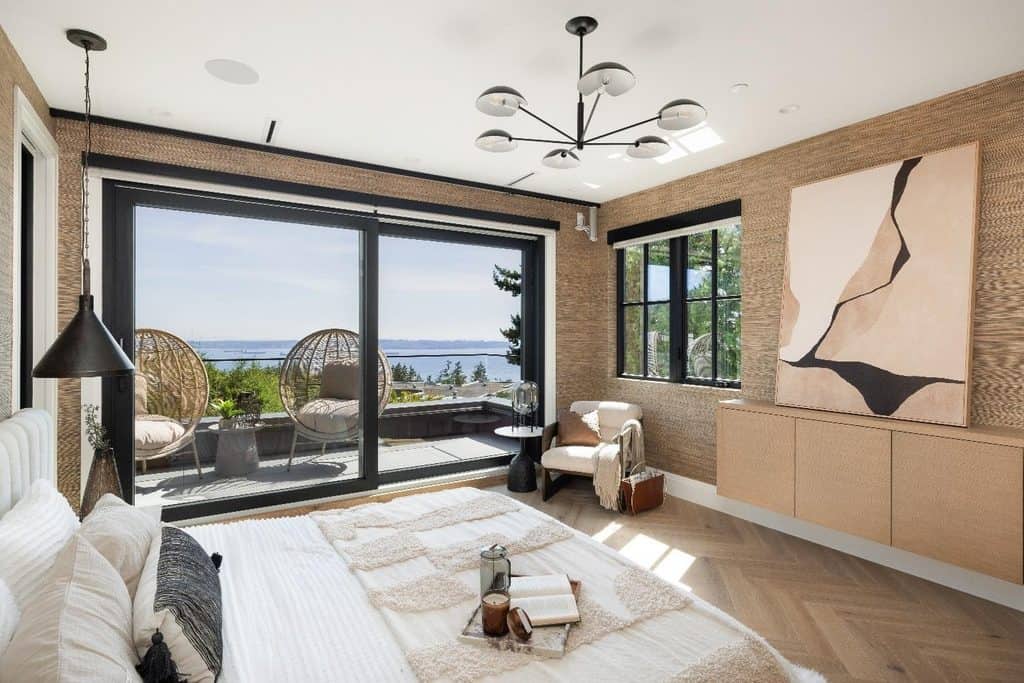
When buying custom houses makes sense
Buying a custom home makes sense when you:
- Need to move in quickly (and can’t wait ~14-20 months)
- Find a property that ticks most of your boxes
- Are willing to make minor compromises on layout and finishes
- Prefer a simpler process with less decision-making and red tape
- Want to see exactly what you’re getting before committing
- Don’t want that overwhelming feeling from the construction process
7 Common Mistakes to Avoid When Buying or Building Custom Homes
Whether you’re building or buying, avoiding these common mistakes can save you time, money and stress:
- Underestimating the total cost: Don’t focus only on the purchase/construction price without accounting for architects, permits, closing costs and unexpected outlays. Add a 10-15% buffer to your budget to cover any surprises.
- Skipping home inspections (buying): Bypassing inspections can lead to costly issues after closing. Always inspect the property; it will protect you from expensive problems.
- Not vetting your builder (building): Choosing a builder solely on price without checking credentials or past projects is a costly mistake. Look for custom home builders that deliver high-standard homes and have a good track record of customer satisfaction. A builder’s reputation and experience matter more than saving a few thousand dollars upfront.
- Ignoring resale value: Making highly personalized design choices or alterations can affect a home’s appeal to future buyers. Work with experienced designers to balance personal preferences with timeless elements.
- Choosing the wrong lot or home: Buying or building a home based solely on the view or neighbourhood without considering lot complexities (slope, soil, service distance, access, future development potential) is a common mistake. Evaluate the lot/home carefully. South-facing homes get more natural light, while corner lots have more privacy. Steep slopes also increase building costs.
- Rushing the decision: Feeling pressured to make an offer or commit to a builder before you’re fully ready can lead to costly mistakes. Taking the time to compare options, ask questions and think through your decision carefully leads to fewer regrets.
- No long-term planning: Designing or buying a custom home for your current needs without accounting for future changes, such as children, accommodating ageing parents, or even rental potential, can cause issues later. Think 10-15 years ahead, especially if this is your “forever home”. Consider flexible design options like secondary suites or coach houses that add long-term value.
By taking these factors into account, you’re better informed to make confident decisions and get the most out of the buying/building experience and your budget.
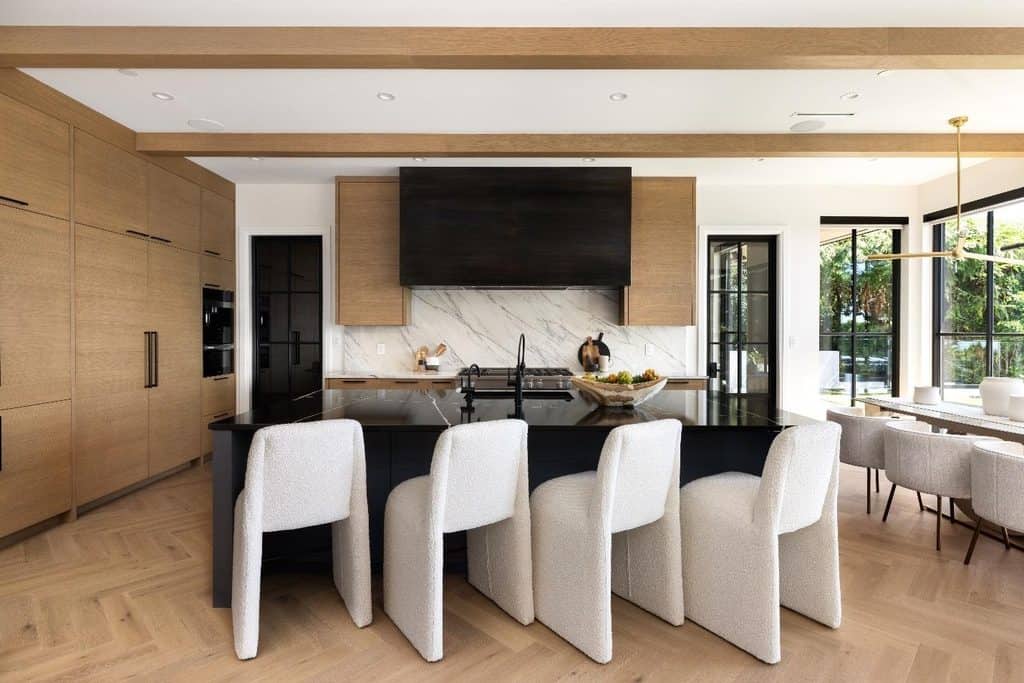
The Bottom Line on Buying or Building
So, should you buy or build a custom home in North Vancouver? There’s no right or wrong answer here, as it ultimately comes down to your priorities, timeline and budget.
Buying a custom home gets you settled faster with less red tape and involvement, but you’ll likely have to compromise on a few things, like layout and final finishes. Building a custom house, on the other hand, gives you exactly what you want from the get-go, but you’re looking at a 14-20 month wait.
If you’ve spent months searching for your dream home without success, building might be the right path. If this sounds like you, contact Goldcon Construction, one of the best custom home builders in North Vancouver, today.
FAQs
Is it cheaper to buy or build a custom house in North Vancouver?
The short answer: it depends. Using custom home builders allows you to control costs by making choices on finishes and design, but you also face the risk of cost overruns. Location and lot size also impact the price.
Buying an existing home usually comes with more predictable costs, but tweaking the home to your specs can lead to renovation expenses, which might level out the same as building.
What are the hidden costs of building a custom home?
A few hidden costs when building include unexpected site preparation (rock blasting, major excavation), permit fees (including inspection costs) and property taxes. If the building process is delayed, you might also incur temporary accommodation and storage expenses, especially if your current home has been sold.
Can I renovate a custom home after buying it?
Yes, many buyers purchase existing custom homes with the intention to revamp certain areas to match their preferences. Common upgrades include kitchen and bathroom renos, flooring, painting and smart home technology integration for better energy efficiency.